
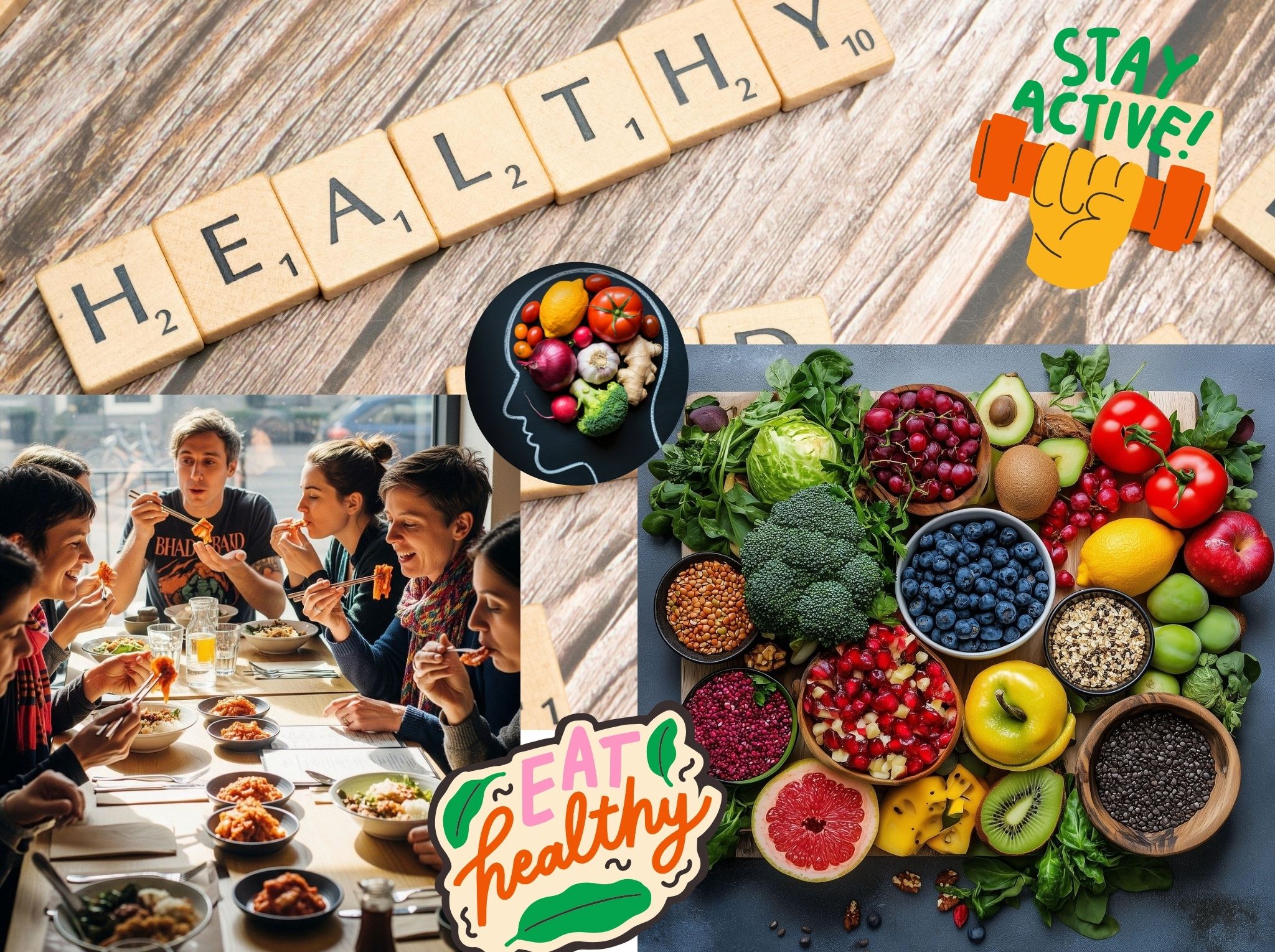
Why Green Eating Matters for Your Body, Brain & Planet
In 2026, the concept of “eating healthy” goes beyond simply cutting calories or following the latest fad diet. Today, wellness experts and nutrition scientists agree that a balanced, plant-rich “green diet” — one full of vegetables, legumes, whole grains, and nutrient-dense plant foods — is a cornerstone of long-term health, disease prevention, and overall vitality.
This shift isn’t just a trend — it’s backed by growing scientific evidence showing that what we eat drastically influences our physical health, mental clarity, aging process, and even the health of our planet.
What Is a Green Diet?
A green diet emphasizes whole, predominantly plant-based foods such as leafy greens, peas, broccoli, legumes, fruits, nuts, and seeds — while minimizing processed foods, added sugars, and excessive animal products. Such eating patterns include Mediterranean-style diets and well-planned vegetarian or flexitarian diets. These approaches are being adopted globally as people seek foods that nurture the body and protect the planet.
A landmark study — the EAT-Lancet planetary health diet — found that increased plant food consumption could reduce the risk of premature death by up to 27% and significantly lower harmful emissions from food production.
Green Foods = Nutrient Powerhouses
One of the simplest and most overlooked foods epitomizing the green diet is green peas. Peas are more than a side dish: they’re packed with protein, fiber, vitamins, and minerals. Regular consumption of peas supports digestion, weight management, and even blood sugar stability — thanks to their high fiber and low glycemic index.
A broader review of the best vegetables — from spinach to bell peppers — highlights how nutrient-rich these plant foods are, offering key vitamins like vitamin C, vitamin K, iron, magnesium, and antioxidants that protect cells from damage and support heart health.
Healthy Plant Foods & Disease Prevention
It’s not just about essential vitamins and minerals — green diets also play a major role in preventing chronic diseases. Research shows that eating plenty of vegetables, fruits, legumes, and whole grains is linked with:
- Lower risk of heart disease, through improved cholesterol and blood pressure levels.
- Reduced risk of stroke, especially with a Mediterranean-style diet rich in vegetables and healthy fats.
- Lower cancer risk, especially for digestive and hormone-related cancers.
- Better glucose control, reducing the likelihood of type 2 diabetes.
This cumulative evidence elevates the green diet from a lifestyle choice to a scientifically supported strategy for long-term health.
Build Strength, Energy & Mental Well-Being
A green diet doesn’t merely reduce disease risk; it actively boosts performance, energy, and cognitive function — attributes every athlete and fitness enthusiast wants.
- Protein from peas, beans & legumes supports muscle repair and growth after workouts.
- Antioxidants from leafy greens help reduce exercise-induced inflammation and aid muscle recovery.
- B vitamins, magnesium, and fiber provide sustained energy and are crucial for brain function and mood balance.
In combination with regular physical activity — like table tennis, running, or strength training — a green diet helps fuel performance and supports recovery in ways that high-sugar, highly processed diets simply cannot.
Green Diet & the Environment: What You Eat Matters
In 2026, more people understand that diet affects not only personal health but also the health of the planet. Studies show that shifting toward plant-rich diets can dramatically reduce carbon emissions, land use, and environmental degradation — benefits that align with global sustainability goals.
This isn’t about eliminating all animal products — it’s about making smarter choices that nourish both humans and the environment.
Practical Tips to Eat Green in 2026
Here are simple ways to adopt a healthier, greener eating pattern:
- Fill at least half your plate with vegetables and fruits at every meal.
- Include peas, lentils, beans, and legumes as everyday protein sources.
- Choose whole grains like brown rice, quinoa, and oats over refined carbs.
- Snack on nuts, seeds, and fresh produce instead of processed snacks.
- Add color to your meals — different colors mean different nutrients.
Final Thoughts: Start Today for a Healthier Tomorrow
In 2026, science has never been clearer — eating green isn’t just good for you; it’s essential for thriving health. By making nutrient-dense plant foods a central part of your daily meals, you’re actively investing in longevity, peak performance, and a future-ready lifestyle.
🌿 Fuel your body with plants. Nourish your mind with whole foods. Live your healthiest life yet. 🌿
Ready to level up your health? Start with nutrition and movement.